
As the leaves fall from the trees and jumpers come out of hibernation, the autumn months bring with them opportunities to bring our communities together, learn about each other and stand together. Autumn is a season of change — and it reminds us that embracing difference, understanding one another, and standing up for fairness are all part of what helps communities thrive.
From October through November 2025, a series of international days and awareness months invite us to celebrate diversity, promote inclusion, and build empathy.
October begins with Black History Month (1–31 October) — a time to honour the contributions, culture, and resilience of Black people throughout history and today. Alongside this, ADHD Awareness Month and Dyslexia Awareness Week (2–8 October) help challenge stigma around neurodiversity and champion understanding of different ways of thinking and learning. World Dyslexia Awareness Day (6 October) and International Stammering/Stuttering Awareness Day (22 October) further highlight the importance of inclusive communication and support for all.
World Mental Health Day (10 October) reminds us that mental wellbeing is essential to equality — and that no one should feel alone in their struggles. Later in the month, World Day for Audiovisual Heritage (27 October) celebrates diverse stories and perspectives, preserving the voices of people and cultures around the world.
As we move into November, the focus on inclusion continues. Movember (1–30 November) and International Men’s Day (19 November) raise awareness of men’s health and wellbeing, while International Stress Awareness Week (1–7 November) encourages open conversations about mental health at work and beyond. Anti-Bullying Week (11–17 November) and the International Day for Tolerance (16 November) reinforce the importance of respect and kindness in our schools, workplaces, and communities. Finally, on 25 November, the International Day for the Elimination of Violence against Women calls on us all to stand against gender-based violence and create safer spaces for everyone.
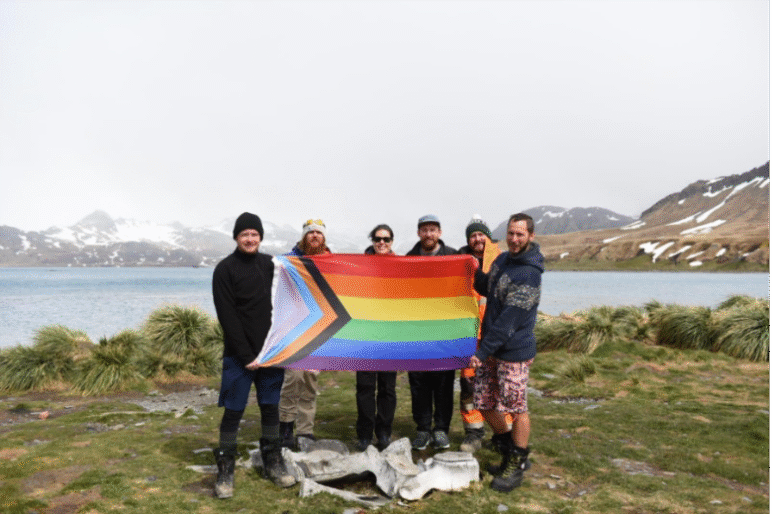
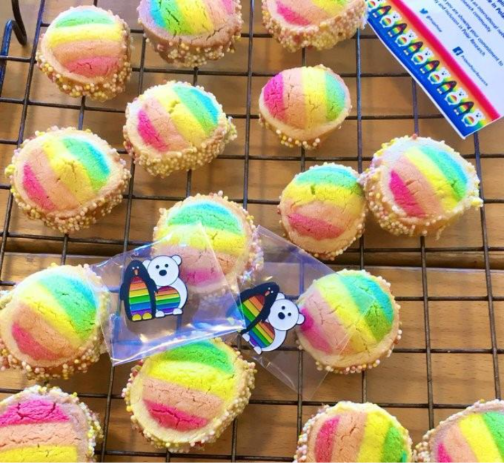
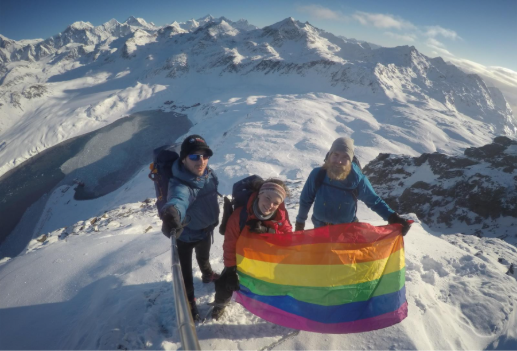
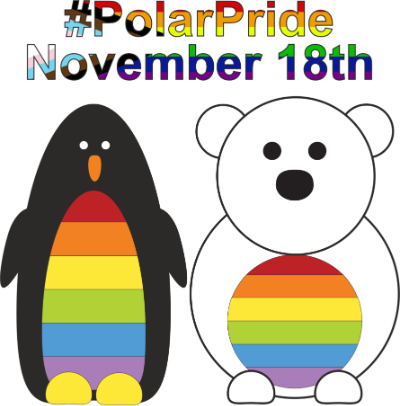
One event with particular interest to the BIOPOLE community focusses on LGBTQIA+ people connected to the polar regions. Polar Pride Day (18 November) is much more than a symbolic “flag-flying” event. It’s a powerful statement that inclusion matters – even (or especially) in the world’s most remote and extreme research settings. It offers a chance for colleagues and friends, no matter what their sexual orientation to recognise and celebrate the contributions made by members of the LGBTQIA+ community. By celebrating LGBTQIA+ contributions in polar science, it helps build stronger, more innovative, and more equitable scientific communities.
The authors of the article – Huw Griffiths British Antarctic Survey