
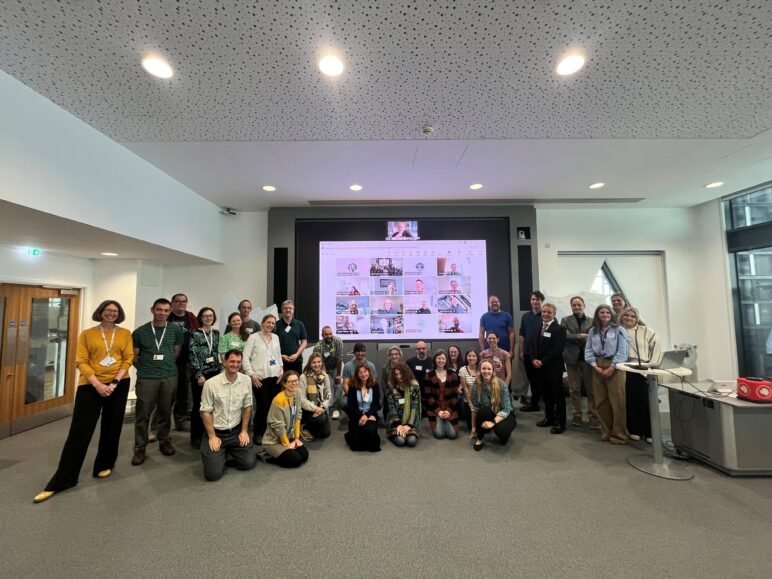
The fourth BIOPOLE Annual Science Meeting took place at the British Antarctic Survey (BAS), Cambridge, UK, and online from 5-7 May 2026. The event brought together BIOPOLE Project Members, Early Career Researchers (ECRs), and Programme Advisory Board (PAB) members. In total, 33 participants attended in person at BAS, with a further 24 joining virtually.
Over the three days, the meeting featured engaging discussions, insightful scientific talks, presentations, and a poster session.
Day 1 Highlights
The meeting opened with a project overview and updates from all four BIOPOLE Work Packages (WPs):
- WP1 – Inputs
- WP2 – Processes
- WP3 – Impacts
- WP4 – Management
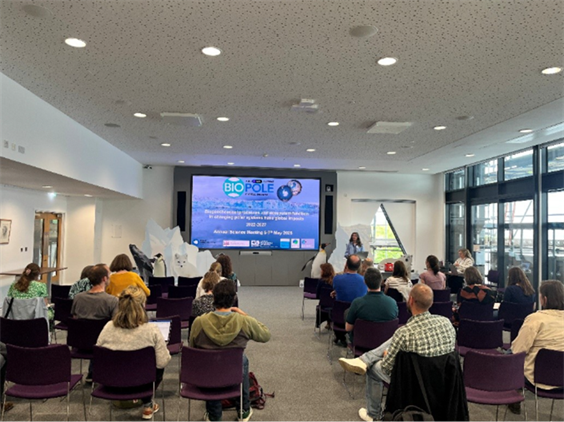
The afternoon also included a session on data management and updates from the BIOPOLE Early Career Researcher Network, before concluding with a lively quick-fire talk session.
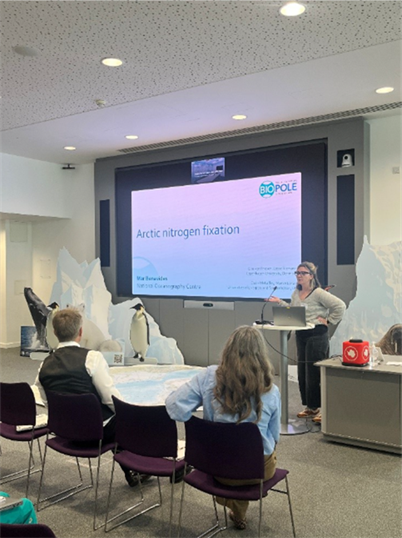
Day 2 Highlights
The morning of the second day was dedicated to breakout sessions covering a range of topics:
- Land to marine/freshwater to saline
- State of play with copepods: abundance and lipid pump estimates
- Ocean physics and ocean modelling
- Icebergs in the Southern Ocean
- Linking observations to modelling
- Taking BIOPOLE outcomes into policy
This was followed by presentations on:
- Sounds from the BIOPOLE I and II Cruises
- Physical Controls on Nutrient Export from the Southern Ocean
- The AISIT project
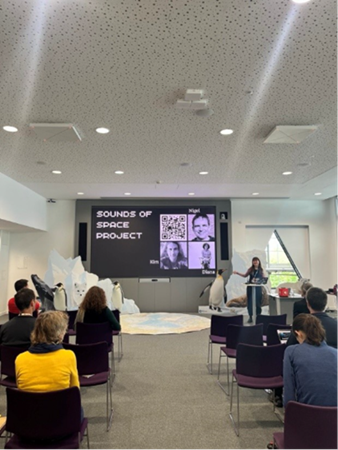
In the afternoon, rapporteurs presented feedback from each breakout session. The poster session then gave presenters the opportunity to showcase their work through five-minute lightning presentations.
Day 2 concluded with the PAB and Executive Board (EB) meeting.
Day 3 Highlights
The final day opened with valuable feedback from the PAB on the programme’s progress. Participants then heard a presentation on the BIOPOLE legacy, which led into a discussion on next steps for the programme.
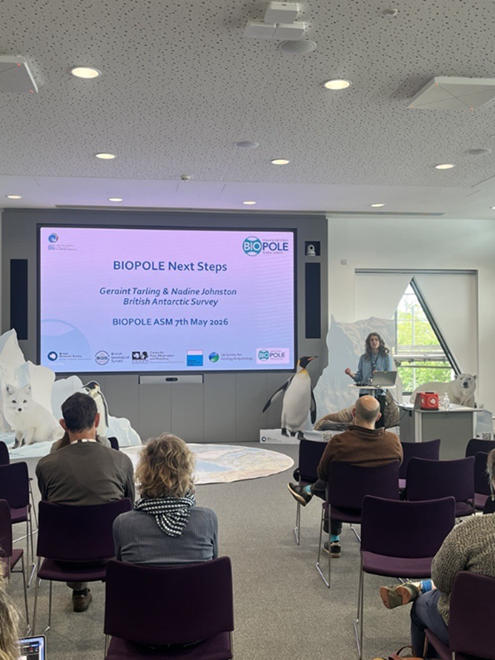
The meeting closed with a summary and final reflections on the three-day event.
A heartfelt thank you to everyone who contributed to the success of BIOPOLE ASM 2026 and to all involved in the ongoing work of the BIOPOLE programme.
The author of this article Ruta Hamilton (British Antarctic Survey)