BIOPOLE KEP fieldwork Campaign

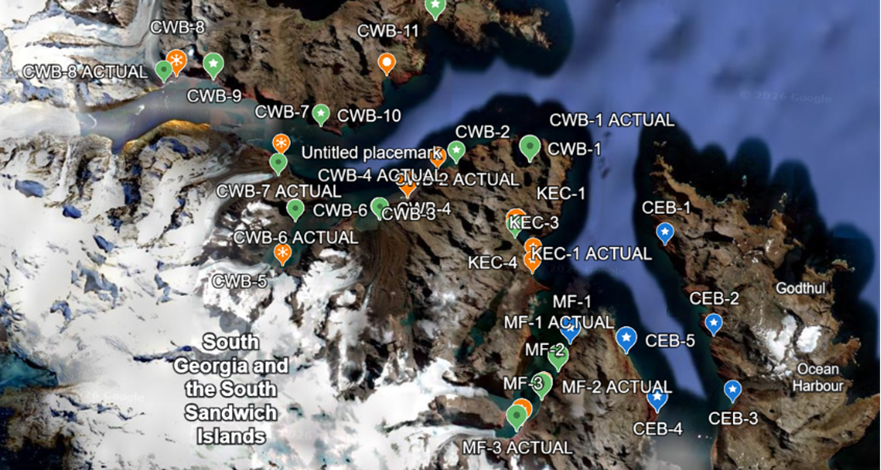
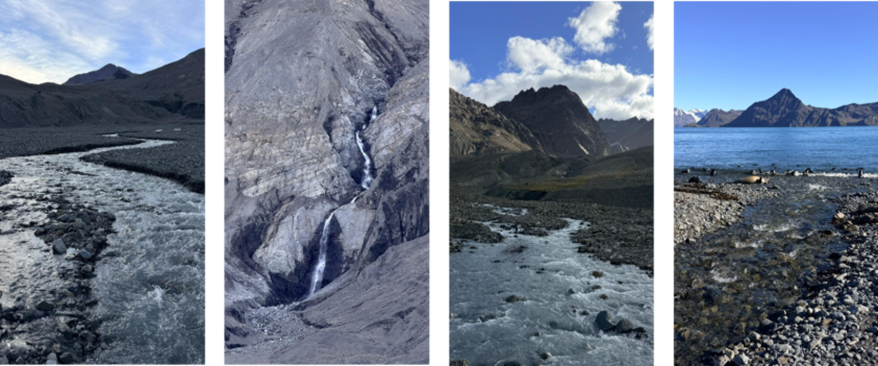
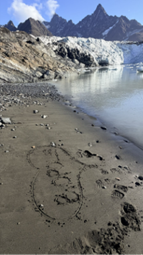
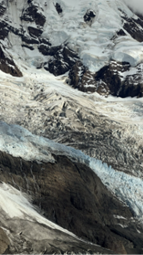
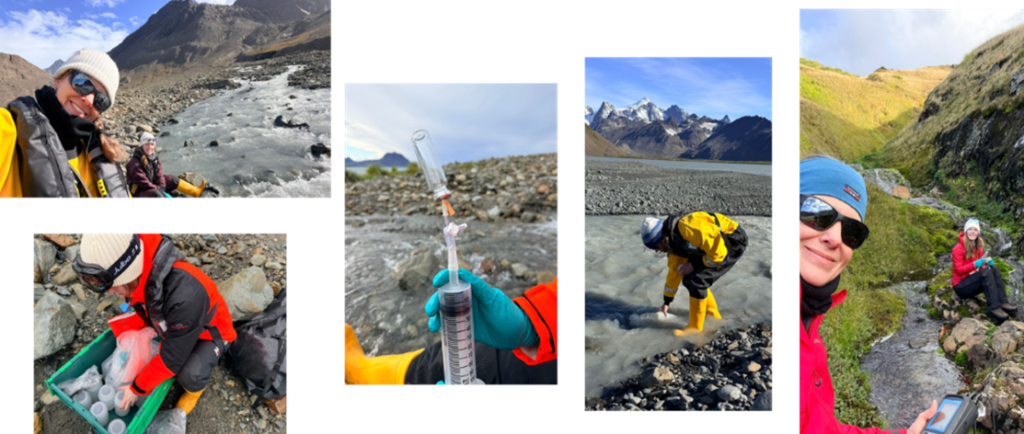
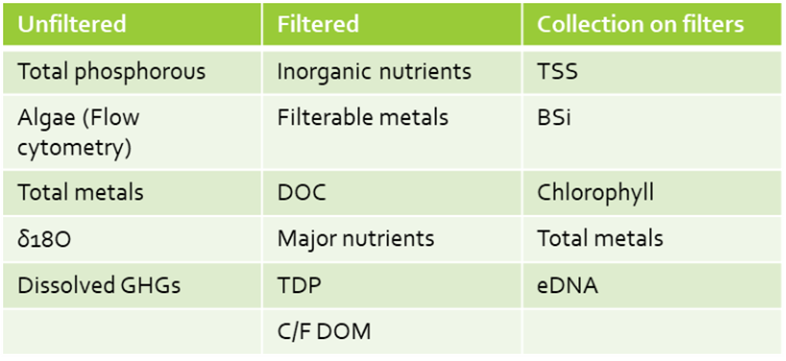
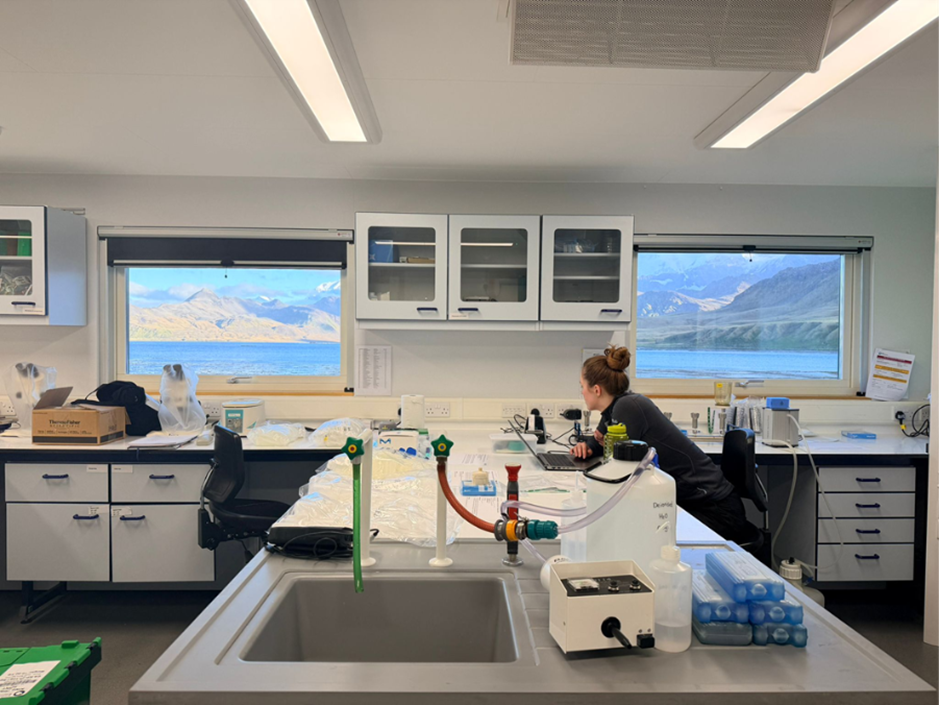
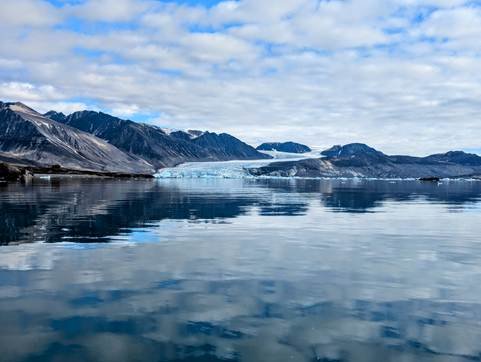
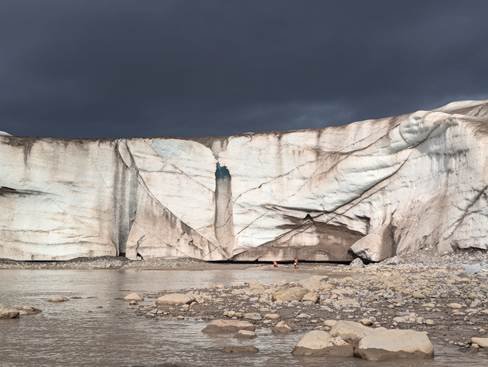
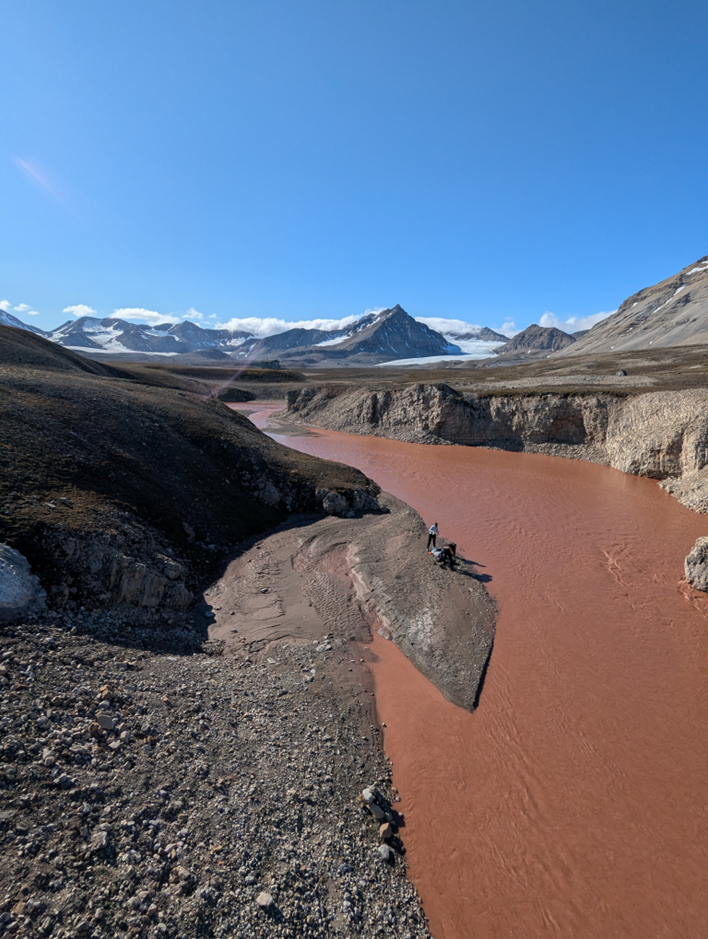
This March and April, BIOPOLE’s Alanna Grant (UKCEH) and Nadine Johnston (BAS) were deployed to King Edward Point (KEP), South Georgia onboard the RRS Sir David Attenborough’s SD058 cruise. During their 3 week stay on the island they delivered the final BIOPOLE-led fieldwork campaign, meticulously planned by Alanna and the WP1 team! The aim was to examine the key sources of nutrients from a range of sites (encompassing glacial and lake catchments) on the north side of the island within Cumberland East Bay and West Bay (Fig 1). The campaign is complementary to previous BIOPOLE campaigns in Ny-Ålesund, Svalbard (Jul-Aug, 2023), Tana River, Norway/Finland (Aug-Sep, 2024), and Rothera, Antarctica (Dec-Jan 2024/5) and was planned around the same framework. Access to the sample sites (Fig 1 and 2) was supported by the KEP boating team, Emily Cox and Joseph Laurence, and members of the KEP summer/winter field teams. A total of 15 out of 20 planned sites were sampled for a range of properties (Fig 3). Samples were part-processed within the KEP laboratories (Fig 4) and the final analyses will be conducted across various specialist BIOPOLE research centres once back in the UK. As part of Alanna’s masters project, the biogeochemical impact of the large animal colonies was also examined by sampling upstream and downstream of colonies. Alanna and Nadine also collected samples as a contribution to a project examining black carbon in the Antarctic (involving BIOPOLE’s Clara Manno BAS and her PhD student Laura Wilkie-Johnston BAS) and as part of a rapid science response to a mass stranding of kelp bivalves one of the islands beaches (BIOPOLE’s Katrin Linse BAS). Onboard the SDO58 cruise, University of Tasmania’s Inessa Corney also conducted copepod respiration experiments that will contribute to BIOPOLE’s legacy data sets. Many thanks to the Captain, Officers, and Crew of the RRS Sir David Attenborough and the summer and winter KEP Station Leaders and team for making all of this possible!

Fig 1: Planned sampling sites on the north side of South Georgia as part of BIOPOLEs King Edward Point Fieldwork Campaign.

Fig 2: Range of BIOPOLE sampling sites and water sources entering South Georgia waters
Fig 3: Determinand’s examined in >400 samples collected at South Georgia.
Fig 4: Incredible views from one of King Edward Point’s laboratories!

The Author of this Article Nadine Johnston (BAS) and Alanna Grant (NOC)

BIOPOLE Annual Science Meeting 2026

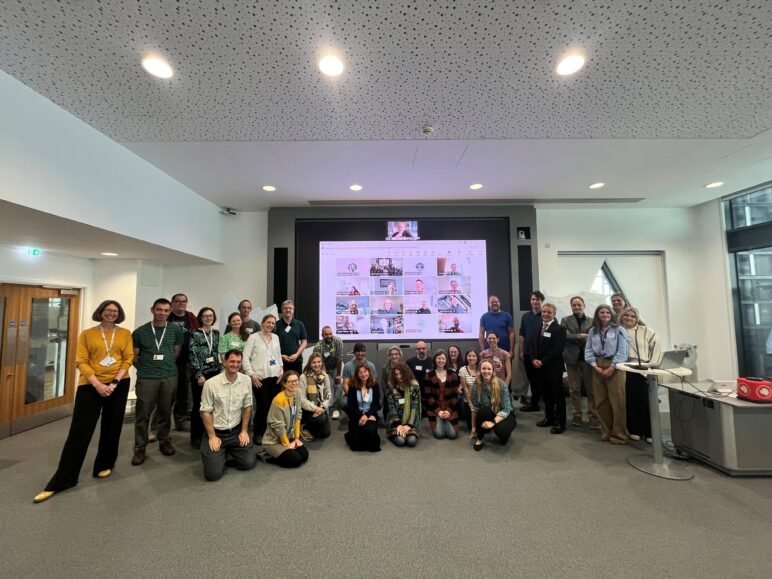
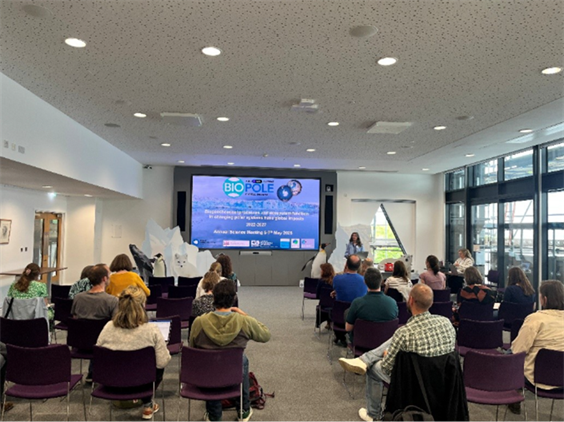
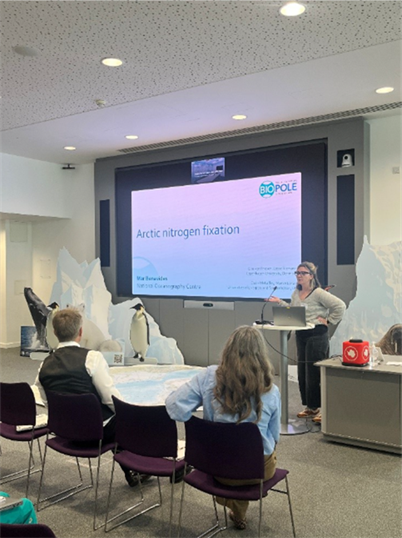
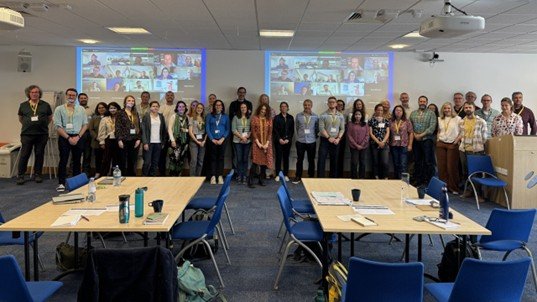
The fourth BIOPOLE Annual Science Meeting took place at the British Antarctic Survey (BAS), Cambridge, UK, and online from 5-7 May 2026. The event brought together BIOPOLE Project Members, Early Career Researchers (ECRs), and Programme Advisory Board (PAB) members. In total, 33 participants attended in person at BAS, with a further 24 joining virtually.

Over the three days, the meeting featured engaging discussions, insightful scientific talks, presentations, and a poster session.

Day 1 Highlights

The meeting opened with a project overview and updates from all four BIOPOLE Work Packages (WPs):

  • WP1 – Inputs
  • WP2 – Processes
  • WP3 – Impacts
  • WP4 – Management

The afternoon also included a session on data management and updates from the BIOPOLE Early Career Researcher Network, before concluding with a lively quick-fire talk session.

Day 2 Highlights

The morning of the second day was dedicated to breakout sessions covering a range of topics:

  • Land to marine/freshwater to saline
  • State of play with copepods: abundance and lipid pump estimates
  • Ocean physics and ocean modelling
  • Icebergs in the Southern Ocean
  • Linking observations to modelling
  • Taking BIOPOLE outcomes into policy

This was followed by presentations on:

  • Sounds from the BIOPOLE I and II Cruises
  • Physical Controls on Nutrient Export from the Southern Ocean
  • The AISIT project

In the afternoon, rapporteurs presented feedback from each breakout session. The poster session then gave presenters the opportunity to showcase their work through five-minute lightning presentations.

Day 2 concluded with the PAB and Executive Board (EB) meeting.

Day 3 Highlights

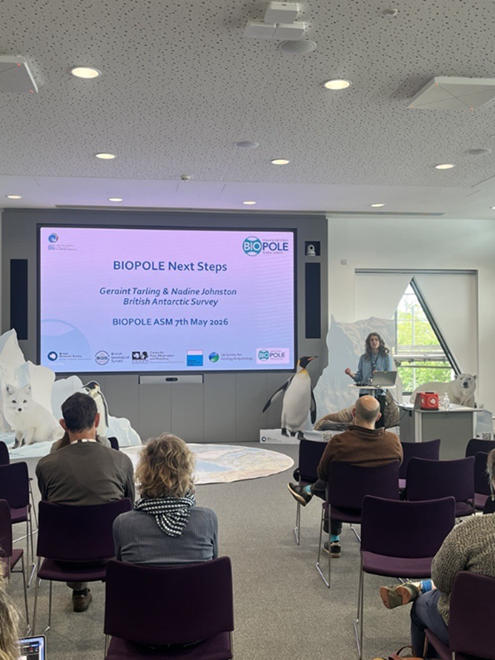
The final day opened with valuable feedback from the PAB on the programme’s progress. Participants then heard a presentation on the BIOPOLE legacy, which led into a discussion on next steps for the programme.

The meeting closed with a summary and final reflections on the three-day event.

A heartfelt thank you to everyone who contributed to the success of BIOPOLE ASM 2026 and to all involved in the ongoing work of the BIOPOLE programme.

The author of this article Ruta Hamilton (British Antarctic Survey)

BIOPOLE III Sounds  

The first time I ever went out to do polar fieldwork was at the start of the second year of my PhD as part of the science team on the BIOPOLE I cruise in 2023. I still remember how excited I was at seeing my first iceberg, with the relatively small specimen taking up a full 32 photos on my phone camera roll, and 2 precious film slots on my camera. By the end of the trip, my phone camera was mostly full of sample number photos and group photos with the team, with the incredible environment that surrounded me hardly getting any attention at all. I think many of us are aware of how quickly the human brain can get used to even the most unfamiliar of environments, and if we can get so indifferent to the things we see, have we ever stopped to think of how many astounding sounds our brains would just filter out as noise?

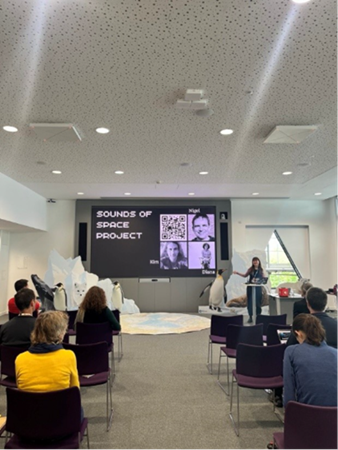
A few weeks before I was due to leave for the expedition, I was lucky enough to attend Nigel Meredith’s Sounds of Space room at the BAS Science Symposium. Here he was showing the “sounds” of the Earth’s natural radio emissions as recorded by the Halley VLF Receiver accompanied by music and art inspired by the “sounds”. When hearing that I was heading South he asked if I would be interested in taking a microphone and recording the things I could hear with the idea of then turning them into music. On the SDA, I recorded the sounds of footsteps in the first snow that landed on the ship deck, the groans from the ship’s hull as we made our way through the sea-ice, and the many sounds of the charismatic wildlife we met along the way. Once back, the Sounds of Space Project team (which comprise Nigel Meredith, Kim Cunio, and Diana Scarborough) worked their magic and released an album called the “Seventh Continent”. The result included stormy ocean sounds accompanied by beautiful piano scores and the friendly elephant seals being given their very own jazz solo.

After the success of the first album, the team were just as enthusiastic to arm me with another, even more powerful, microphone to record sounds from the BIOPOLE II cruise. This time, I was even more ambitious and recorded sounds I felt I missed on the first trip as well as sounds that were new to me on this expedition: the friendly chinstrap penguins that came to visit the ship, the constant clicks of Ed’s nutrient Auto-analyser, the chilling wail of wind making its way through the data suite door, the lonesome calls of fur seals from Husvik Bay and the sounds of the ocean as recorded through a hydrophone.

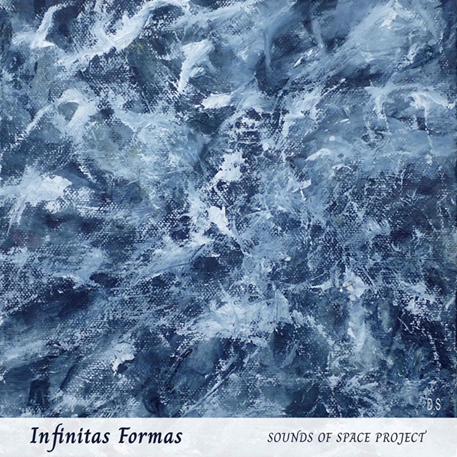
Music can be a highly effective way to connect with the public as sound can help transport people in a way few other mediums can. More recently the “Seventh Continent” featured at the Science Museum Lates and Glastonbury. Not only is it a good way to interact with the public, but I have also found it a great conversation starter with colleagues. Recently, I presented the newest album iteration “Infinitas Formas” at the BIOPOLE ASM and was amused by the shudders I provoked in the physicists when playing the drones of the salinometer pump and how quickly people were chilled by the whistle of the winds of some of the storms we went through on this trip. 

The first album “The Seventh Continent” is available on bandcamp (https://soundsofspaceproject.bandcamp.com/album/the-seventh-continent) and on most streaming platforms. EP with all the sounds of the science is also in the pipeline.

The The second album “Infinitas Formas”can be listened to here: https://soundsofspaceproject.bandcamp.com/album/infinitas-formas

The Author of this Article Katherine Turner (British Antarctic Survey)

Paper of the Season: Glacier Biogeochemical Cycling and Downstream Impacts

Glaciers were once thought to be inert environments, too cold for biology or for chemical reactions to occur. It’s only in the last two decades that we’ve discovered that glacial environments are “hot spots” for biogeochemical processes that release biologically important elements. As glaciers flow, they crush the underlying rock into very fine “glacial flour”. When this material reacts with water flowing beneath glaciers and ice sheets, the unusual chemical conditions allow new, solid materials to form. These very fine particles are highly reactive and can release elements and compounds into the environment. Furthermore, we’re only just beginning to unpick the rich microbial processes that drive further reactions in these subglacial environments. The diversity of microbes on, in and under glaciers has even led one scientist suggesting “glacial flour” should really be “glacial sourdough”!

Kate Hendry (BAS) and colleagues from around the world, led by Jon Hawkings (UPenn) and including BIOPOLE partners, published a review of these incredibly important and sensitive environments. The review documents the web of biogeochemical reactions around glaciers, in proglacial environments, and across the land-ocean continuum. The authors conclude that it’s more important than ever that we understand the drivers behind these reactions. Glacial flour is an important source of critical nutrients for coastal marine environments and has attracted substantial interest as a fertiliser for crops and for carbon dioxide removal via enhanced rock weathering. However, glacial flour supply also has potential negative consequences for downstream plankton through changes in water quality and the release of toxic metals. Given glaciers are retreating at an accelerating pace, we need to understand the drivers behind these ecosystem impacts, and the knock-on effects for society, to be able to predict – and mitigate against – future challenges.

Hawkings, J. R., Bradley, J. A., Doting, E. L., Hassan, N., Hendry, K. R., Holt, A. D., … & Bhatia, M. P. (2025). Glacier biogeochemical cycling and downstream impacts. Nature Reviews Earth & Environment, 1-20.

https://www.nature.com/articles/s43017-025-00751-1

The authors dedicated this review to the memory of Maya Bhatia. “Maya died unexpectedly during the writing of this review, and we are profoundly indebted to her input in conceiving the manuscript and to the scientific discipline at large. Maya made key contributions to our understanding of glacier biogeochemistry that are described in the article, particularly in framing the importance of glaciers and ice sheets in wider biogeochemical cycles, without which the field would be in a far more premature position. Maya was an outstanding person, scientist, colleague and friend, and is sorely missed.”

The Author of this Article Kate Hendry (British Antarctic Survey)

Data activities at the Ocean Science Meeting in Glasgow

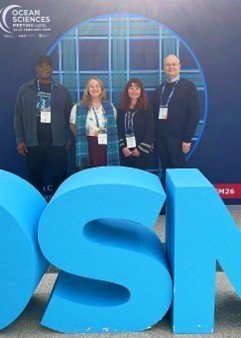
Ocean Sciences Meeting 2026 (OSM26) stood out for its impressive scale and the breadth of topics covered, spanning diverse scientific disciplines, technologies, and infrastructures, including highly specialised niche areas. Despite this diversity, a unifying tread was woven throughout the meeting: the central role of open data. Across sessions, it became clear that progress in all these areas is strongly enabled by transparent, accessible data sharing. OSM26 featured numerous contributions highlighting this need, a few of which are outlined below.

The GOOS Observations Coordination Group showcased how interconnected regional data services, supported by standardised minimum metadata requirements, are essential for ensuring the long-term traceability of ocean observations. The Digital Twins of the Ocean session illustrated how integrating observations, models, and machine learning can deepen understanding of ocean variability, while simultaneously incentivising researchers to share their data in support of these advances. The BIO-GO-SHIP team was recognised for its efforts in delivering sustained, open-access biological data from the open ocean.

In addition, the American Geophysical Union hosted a well-attended session on technical skills for publishing data and code, reflecting strong interest from researchers eager to develop competencies that will benefit them throughout their careers. Finally, the Southern Ocean Observing System organised a session on open science and data in polar research. This session highlighted persistent challenges in data sharing, but also revealed an encouraging cultural shift: many participants viewed the publication of research data as being at least as important as the publication of scientific articles.

The Author of this Article Petra ten Hoopen (British Antarctic Survey)

BIOPOLE at the Workshop on the contribution of UK Arctic Ocean science 

Although the UK is not an Arctic state, it has strong and long-standing connections to the Arctic region. Changes in the Arctic Ocean are already affecting the UK through global sea-level rise, shifts in climate and weather patterns, and impacts on ecosystem services. Recognising this importance, the National Oceanography Centre (NOC) hosted a workshop in June 2025 on the contribution of UK Arctic Ocean science to the 5th International Polar Year (IPY 2032/33).

The workshop aimed to identify priority Arctic research questions for the coming years and to highlight the unique strengths and technologies the UK can offer the international community. More than 50 scientists from 26 higher-education, research, and non-profit organisations took part over one and a half days, both in person and online. BIOPOLE was well represented by Geraint Tarling, Clara Manno, Adrian Martin, Stefanie Rynders, Yevgeny Aksenov, Peter Brown, Dan Mayor, Mar Benavides, and Elena Garcia-Martin.

The meeting opened with presentations from James Jansen (FCDO) and Henry Burgess (NERC Arctic Office), who highlighted the importance of UK Arctic science and outlined the 5th International Polar Year. Jeremy Wilkinson (BAS) then reviewed existing international Arctic observing networks, followed by a joint presentation from Matt Spencer and Ale Vergara-Peña (WWF-UK) on the WWF Global Arctic Programme. Jessica Surma (UKRI) concluded the session with an overview of current NERC funding for Arctic research.

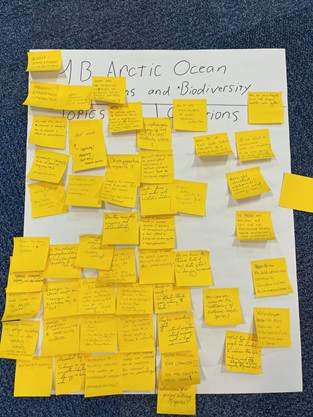
Participants then discussed six high-level research themes, including Arctic Ocean climate, ecosystems and biodiversity, global impacts, hazards and resilience, human impacts, and socio-economic change. These sessions were highly interactive, with colourful yellow post it notes rapidly filling the theme charts. The brainstorming proved extremely productive, as reflected in the crowded flip charts and lively discussions.

The second day focused on developing the scientific and innovation framework for each priority research question. While much of the document was drafted during the workshop, participants contributed further input afterwards to finalise the report, which is available here.

The Author of this Article Elena García-Martín (National Oceanography centre)

Legacy Projects

Many BIOPOLE members are continuing to build on the programme’s success through major international initiatives such as Antarctica In Sync and the 5th International Polar Year (IPY). They have helped shape the future of polar science by contributing to white papers and leading or participating in national and international committees, working  groups and task forces, ensuring that BIOPOLE’s legacy continues to have a lasting impact. BIOPOLE researchers and partners have also secured 9M Euros in EU funding through the new SYNCHRONY programme which begins in Aug 2026. SYNCHRONY will utilise BIOPOLE data and help establish a coordinated standardised framework for collecting and sharing observations across the polar regions, supporting initiatives such as Antarctica InSync and IPY. In addition, BIOPOLE researchers have recently completed the EU-funded PolarRES programme, which developed advanced high resolution polar climate models to better understand (among other aspects) how climate change may impact Antarctic ecosystems. This work included studying the impacts on the diapausing copepod C. acutus  in collaboration with BIOPOLE.  Building on this success, BIOPOLE researchers have secured a further 9M Euros of EU funding through the new SnowPI programme. SnowPI will extend BIOPOLE’s research into how future climate change may alter the movement of nutrients from land into the polar oceans, and how these changes could affect marine ecosystems, carbon storage, and global nutrient and carbon cycles by using the latest set of climate models that include inland ice and snow processes. 

The Author of this Article Geraint Tarling (British Antarctic Survey) and Nadine Johnston (BAS)

BIOPOLE Final Outputs and Legacy

As we are now in the final year of our project our focus naturally turns to completing our remaining deliverables and finalising publications.  While this is a critical phase it is equally important that we prioritise how we will secure and sustain the long-term legacy of BIOPOLE.  

Ensuring that the impact of our work continues beyond the project’s end should now be a shared priority. This includes maintaining visibility of our outputs, supporting ongoing collaborations, and identifying opportunities to extend or build upon our achievements. 

As such we have identified a number of BIOPOLE Legacy Task Forces that require input from all sectors of our Community (including Members, Science Partners and Strategic Partners). These include: 

1. Final Science Meeting Task Force Final Science Meetings Task Force (which includes a recently awarded Royal Society Discussion Meeting on BIOPOLE related science)

2. Final Key Messages  & Input to Policy Task Force

3. Synthesis Papers Task Force

4. International Initiatives and Networks Task Force

5. Dissemination Task Force

6. ECR Support Task Force

‘If you are interested in being involved in any of these Task Forces’ contact Nadine or Geraint or sign up to the Task Force Volunteers.docx in our BIOPOLE Final Outputs and Legacy folder on the Shared Drive AND accept any of the BIOPOLE Task Force calendar invitations sent to the BIOPOLE Community email list! 

We hope that by working together on these Task Forces over the next 10 months, we can share the workload and make this a manageable addition, ensuring it doesn’t place too much pressure on any one person alongside their ongoing deliverables and publications. 

The Author of this Article Geraint Tarling (British Antarctic Survey) and Nadine Johnston (BAS)

AISIT Programme Successfully Delivered  

On 9th April, 2026, the Artificial Intelligence for Stable Isotope Tracers (AISIT) programme held its end of programme meeting to assess its final outputs and scientific legacy. The programme had started just 6 months earlier from a comparatively short lead in time since writing the proposal. The AISIT programme was addressing the objectives of an EPSRC/NERC call “AI for Science” to prepare databases and systems to make environmental data more accessible to AI analysis. The idea was to amass as much Arctic freshwater tracer data as possible, including that generated BIOPOLE, into an AI-friendly database. AISIT scientists would also test the database themselves through using it in their own scientific analyses. With just 6 months to get through its ambitious targets, it was a race to the finish.  

A major focus of BIOPOLE is the consequences of warming to the polar regions, which leads to a significant increase in glacial meltwater discharge, large alterations in major Arctic river outputs and unprecedented levels of sea-ice retreat, of which all can alter the amount and the distribution of nutrients in the global ocean. Different sources of freshwater inputs (rivers, glaciers, and sea-ice), can be tracked through tracers such as the stable oxygen isotope δ¹⁸O, as well as certain trace metals and Rare Earth Elements. Freshwater tracer measurements are particularly insightful when combined with accompanying salinity measurements as well as temperature. Application of AI and ML on such data has the potential to identify patterns and cyclicities in the input and movement of freshwater in the Arctic that can complement the more mechanistic analytical and modelling approaches traditionally used by marine scientists. 

Over its 6 months, AISIT achieved the following: (1) a comprehensive compilation  Arctic data entries for δ¹⁸O  (and dissolved Barium) from all available research-grade open data sources, including any unpublished data where viable; (2) the inclusion of ancillary in situ environmental data, especially salinity, temperature and depth, and spatio-temporal information on data collection; (3) quality-control with flags and detailed documentation to guide non-domain experts in its use; (4) open access publication of the database, following the FAIR data management principles. The data can be accessed through a dedicated website (http://www.aisit.ac.ukwww.aisit.ac.uk) as well as from the Polar Data Centre (https://www.bas.ac.uk/data/polar-data-centre/).  

The further value of the AISIT database was training AI and ML methods to examine patterns and trends in environmental data. To this end, AISIT benefited from being able to bring together AI/ML practitioners and non-AI polar and marine science specialists. A major focus was to identify AI/ML challenges to best utilise the AISIT database. As a benchmark, we used a neural network approach to reconstruct the δ¹⁸O distribution and generate Arctic wide maps with a temporal dimension. This approach provided certain performance metrics, such as the capacity to simulate the influence of the climatic Arctic Ocean Oscillation on freshwater inputs and water movements. This has now provided the basis for potential AI challenges, to find ways of gridding the freshwater tracer data in space and time and better reveal underlying climatic oscillations. The challenges are designed to be compatible with platforms such as Kaggle and hackathons to develop analytical Notebooks.  

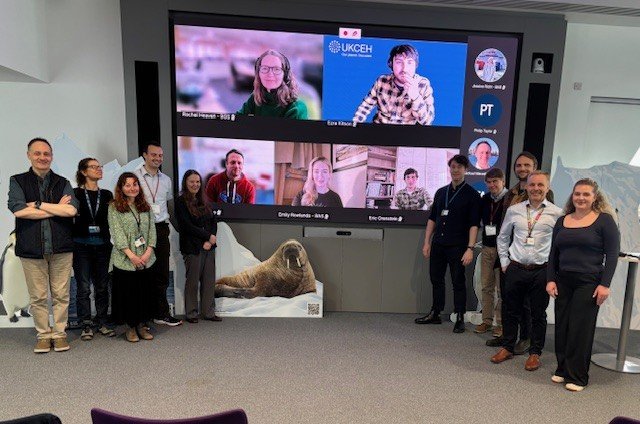
During our end of programme meeting, the AISIT team brought together the many different elements of the programme and considered legacy outputs such as a high impact data paper, analytical papers examining features of the Arctic Ocean Oscillation and how to construct AI/ML challenges. As evident from the smiles in the picture below, the team were very pleased to have contributed to such a successful and impactful programme.  

Featured Image: AISIT team at our final meeting April 9th 2026 

In person (left to right): Mike Meredith (BAS), Kate Hendry (BAS), Petra Ten Hoopen (BAS), Jonathan Coney (NOC), Helen Peat (BAS), Charles Thorpe-Morgan (BAS), Yevgeny Aksenov (NOC), Ben Evans (BAS), Geraint Tarling (BAS), Jessica Richt (BAS)

Online: top left: Rachel Heavens (BGS, “High5 for AI” project); top right: Ezra Kitson (UKCEH); bottom, left to right: Tom Prime (NOC), Emily Rowlands (BAS), Eric Orenstein (NOC)

Not in picture: Adrian Martin (NOC), Bryan Spears (UKCEH), Archie Cable (NOC), Pilvi Saarikoski (BAS) 

The Author of this Article Geraint Tarling (British Antarctic Survey)

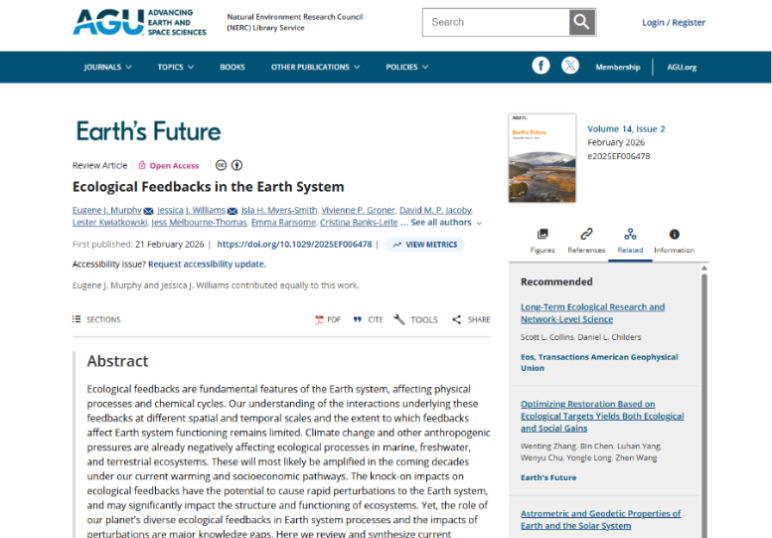
New BIOPOLE publication on Ecological Feedbacks in the Earth System 

A new publication involving BIOPOLE researchers has been published in the AGU journal Earth’s Future (https://doi.org/10.1029/2025EF006478). This paper, co-led by Murphy and Williams, provides a conceptual framework for understanding the role ecological processes and feedbacks in the Earth System. It explores current understanding  of ecological feedbacks, how they affect the physical environment and chemical processes, how they may be affected by anthropogenic changes, and the implications for policy makers. The paper also highlights three priority research areas (1. Including ecological feedbacks in assessments of global change and ESMs, 2. Incorporation of ecological feedbacks across scales, 3. Suitable projections for policy advice) and the need for rapid development of understanding of ecological feedbacks and their role in globally important processes. It is particularly relevant to the aspects of global change research being undertaken by BIOPOLE across polar scales. It argues that ecological processes (including those examined by BIOPOLE such as carbon storage, nutrient cycling, and ocean productivity) are underrepresented in Earth System science and future projections.  

The Author of this Article Nadine Johnston (BAS),