
The first time I ever went out to do polar fieldwork was at the start of the second year of my PhD as part of the science team on the BIOPOLE I cruise in 2023. I still remember how excited I was at seeing my first iceberg, with the relatively small specimen taking up a full 32 photos on my phone camera roll, and 2 precious film slots on my camera. By the end of the trip, my phone camera was mostly full of sample number photos and group photos with the team, with the incredible environment that surrounded me hardly getting any attention at all. I think many of us are aware of how quickly the human brain can get used to even the most unfamiliar of environments, and if we can get so indifferent to the things we see, have we ever stopped to think of how many astounding sounds our brains would just filter out as noise?
A few weeks before I was due to leave for the expedition, I was lucky enough to attend Nigel Meredith’s Sounds of Space room at the BAS Science Symposium. Here he was showing the “sounds” of the Earth’s natural radio emissions as recorded by the Halley VLF Receiver accompanied by music and art inspired by the “sounds”. When hearing that I was heading South he asked if I would be interested in taking a microphone and recording the things I could hear with the idea of then turning them into music. On the SDA, I recorded the sounds of footsteps in the first snow that landed on the ship deck, the groans from the ship’s hull as we made our way through the sea-ice, and the many sounds of the charismatic wildlife we met along the way. Once back, the Sounds of Space Project team (which comprise Nigel Meredith, Kim Cunio, and Diana Scarborough) worked their magic and released an album called the “Seventh Continent”. The result included stormy ocean sounds accompanied by beautiful piano scores and the friendly elephant seals being given their very own jazz solo.
After the success of the first album, the team were just as enthusiastic to arm me with another, even more powerful, microphone to record sounds from the BIOPOLE II cruise. This time, I was even more ambitious and recorded sounds I felt I missed on the first trip as well as sounds that were new to me on this expedition: the friendly chinstrap penguins that came to visit the ship, the constant clicks of Ed’s nutrient Auto-analyser, the chilling wail of wind making its way through the data suite door, the lonesome calls of fur seals from Husvik Bay and the sounds of the ocean as recorded through a hydrophone.
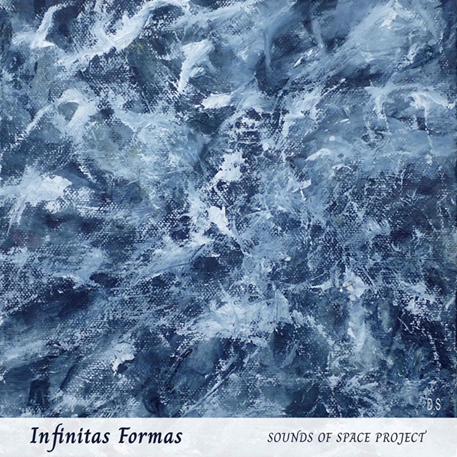
Music can be a highly effective way to connect with the public as sound can help transport people in a way few other mediums can. More recently the “Seventh Continent” featured at the Science Museum Lates and Glastonbury. Not only is it a good way to interact with the public, but I have also found it a great conversation starter with colleagues. Recently, I presented the newest album iteration “Infinitas Formas” at the BIOPOLE ASM and was amused by the shudders I provoked in the physicists when playing the drones of the salinometer pump and how quickly people were chilled by the whistle of the winds of some of the storms we went through on this trip.
The first album “The Seventh Continent” is available on bandcamp (https://soundsofspaceproject.bandcamp.com/album/the-seventh-continent) and on most streaming platforms. EP with all the sounds of the science is also in the pipeline.
The The second album “Infinitas Formas”can be listened to here: https://soundsofspaceproject.bandcamp.com/album/infinitas-formas
The Author of this Article Katherine Turner (British Antarctic Survey)